
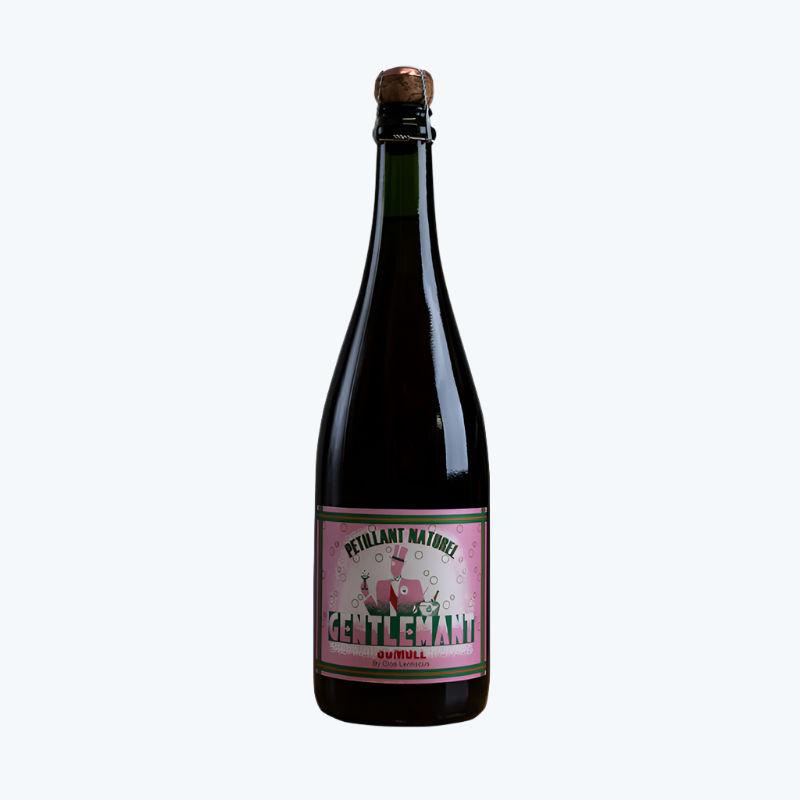
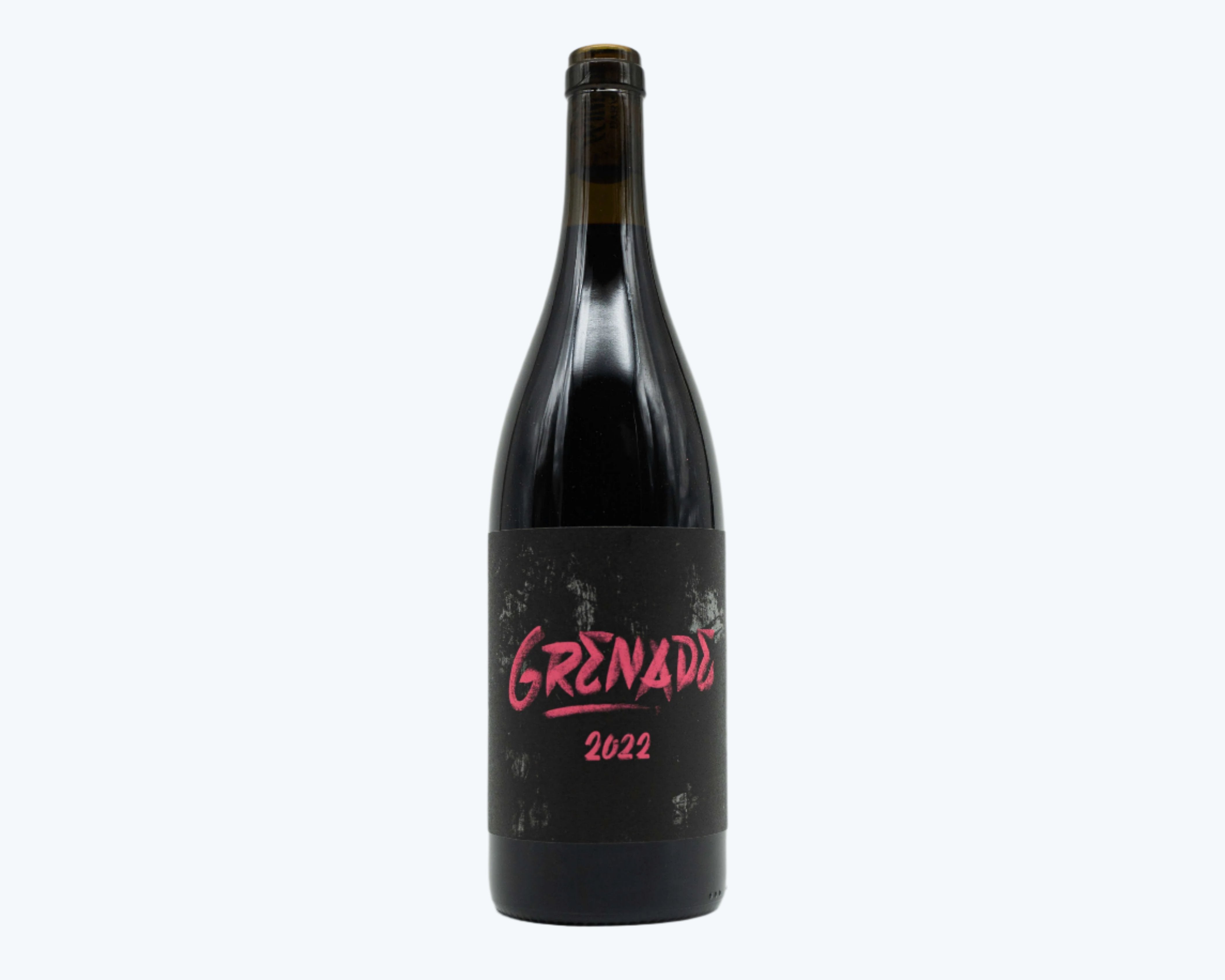
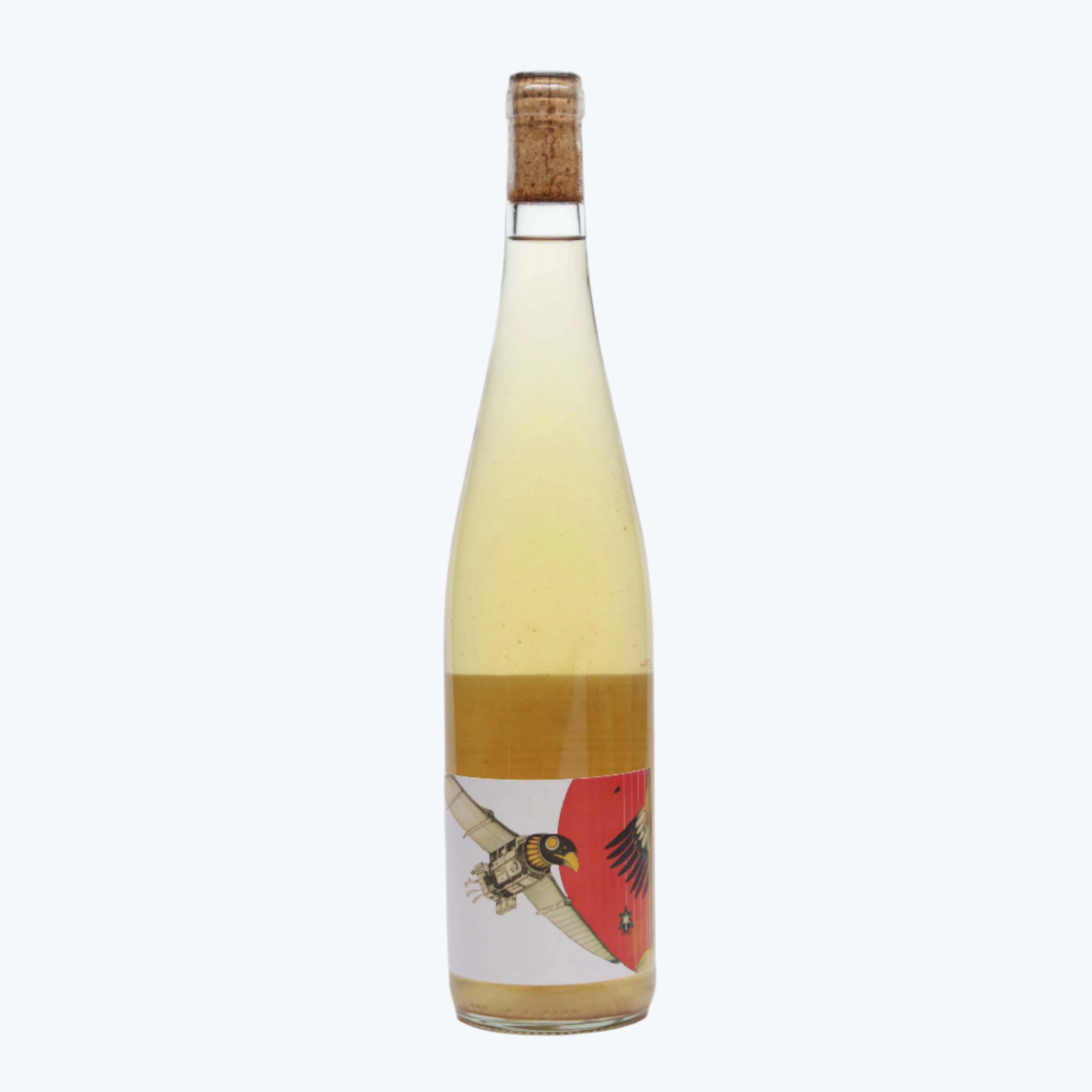
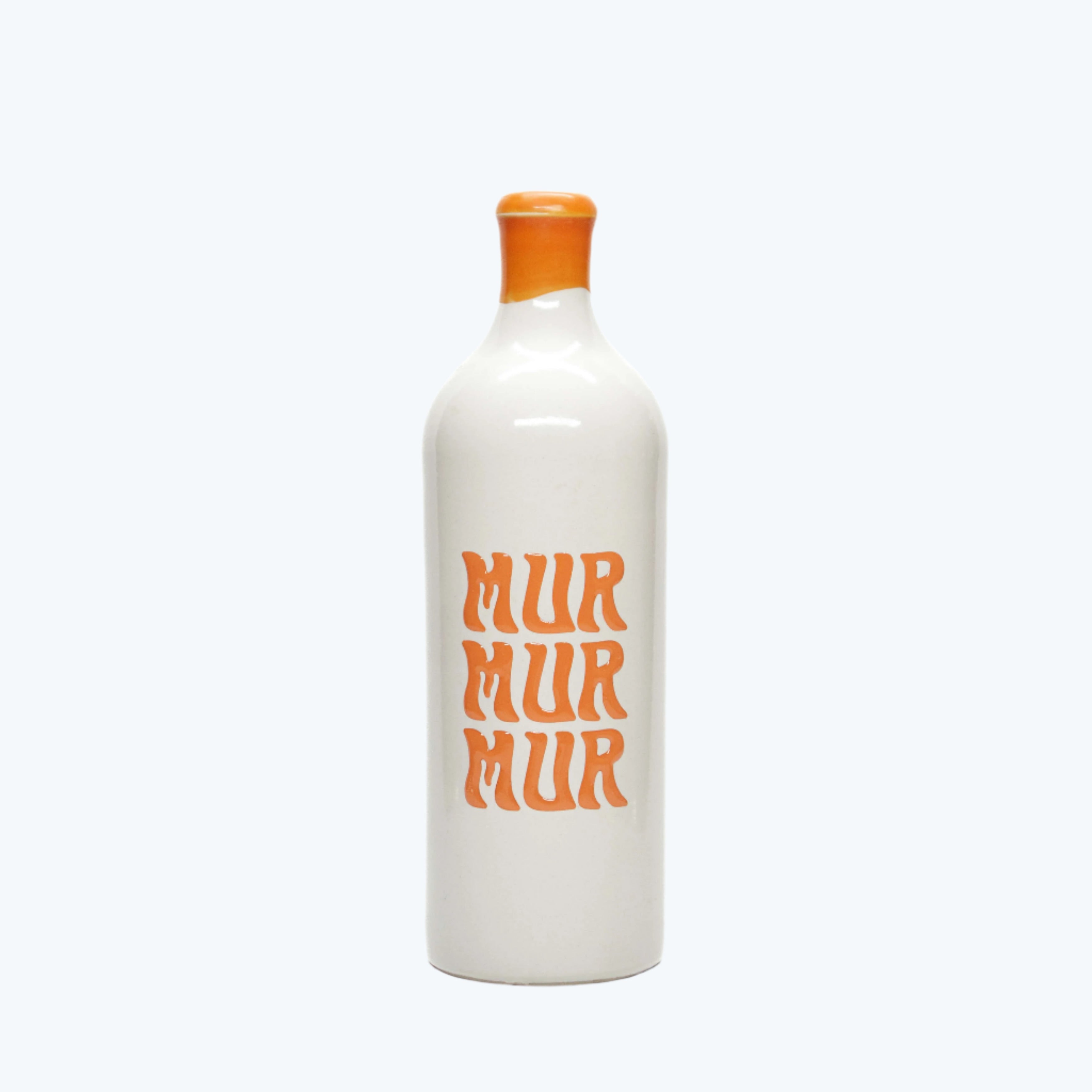

Something is happening in Portugal, and the wine world has noticed. Over the past decade, a country that for centuries was known primarily for Port and Vinho Verde has emerged as one of the most exciting sources of natural and artisan wine on the planet. The reasons are hiding in plain sight: ancient vines, over a hundred indigenous grape varieties found nowhere else on earth, soils that range from Atlantic granite to volcanic basalt to ancient schist, and a new generation of winemakers who know what they have and refuse to waste it.
We are based in Lisbon, we work with Portuguese producers every day, and we never stop being surprised. Here's why you should be paying attention.
4,000 Years in the Making

Portuguese winemaking history stretches back to the Phoenicians, who arrived on the Iberian Peninsula some 4,000 years ago. The Romans expanded the vineyards northward; Christianity embedded wine into daily ceremony; trade relationships with Britain — sealed by the Treaty of Windsor in 1386 — turned Portuguese wine into an international commodity centuries before "wine tourism" became a concept.
In the 17th century, when war cut off English access to French wine, Portuguese reds from the Douro Valley became the preferred alternative for the English aristocracy. The fortification of those wines with brandy for the long sea voyage gave birth to Port. And when the threat of adulteration and fraud grew alongside the wine's fame, the Marquis of Pombal, Prime Minister of King José I, demarcated the Douro Valley in 1756 — creating Portugal's first (and one of the world's first) regulated wine regions. Portugal has been thinking carefully about wine geography for a very long time.
Today, there are 31 geographical appellations covering every style imaginable. And what makes Portugal genuinely unique is what you won't find: very little international variety monoculture. While the rest of the wine world has spent decades planting Cabernet Sauvignon and Chardonnay everywhere, Portugal has largely held onto its own.
The Grape Diversity Nobody Talks About Enough
There are over a hundred autochthonous (native) grape varieties in Portugal — varieties found nowhere else. You could spend years tasting only Portuguese wine and still be discovering something new. Here are a few worth knowing:
Alvarinho (in Monção and Melgaço, the queen sub-region of Vinho Verde) creates wines of unique body, intense colour, and complex aromas of fruit and flowers. The microclimate here — hot days, cool nights, limited Atlantic influence — allows the variety to develop extraordinary aromatic persistence and freshness. This is Portugal's most internationally recognised white grape, and for good reason.
Baga from Bairrada is the grape equivalent of Pinot Noir: finicky, demanding, brilliant when it works. With small, late-ripening bunches, high acidity, and pronounced tannins, Baga produces everything from elegant fresh reds with decades of ageing potential to fine sparkling wines made by the classic method. It's the reason Bairrada produces 60% of all Portuguese sparkling wine.
Touriga Nacional from the Dão has become Portugal's flagship red variety — intense violet and citrus bergamot aromas, full body, noble tannins, impressive ageing potential. It's the backbone of Port and increasingly a star in dry red wines. As winemaker Manuel Lobo notes, it's a "plastic" variety capable of producing wines of very different styles — elegant without wood, equally interesting with it.
Encruzado from Dão is Portugal's great white secret: versatile, deeply mineral, capable of producing both powerful, complex wines and lighter high-acid styles. With notes of green papaya, passion fruit, melon, and — when barrel-fermented — hazelnut and vanilla, it's one of the most interesting white varieties in Europe that few people outside Portugal have heard of.
Vinhão in Vinho Verde produces reds of extraordinary depth and garnet intensity, with aromas of ripe red currants, blackberries, and violet flowers. Complex, gastronomic, and completely its own thing.
The Regions: A Quick Orientation
Vinho Verde is much more than the spritz-y semi-sparkling white that dominated export markets for decades (those low-quality examples are gassed artificially — the natural effervescence of traditional Vinho Verde was a byproduct of malolactic fermentation in spring, and high-quality wines from the region have moved well beyond that). Today's Vinho Verde spans nine sub-regions from the coast to the inland mountains, producing everything from lean mineral whites to structured age-worthy wines and serious reds. The best come from Monção and Melgaço (Alvarinho), and the coastal Ave and Lima sub-regions.
Bairrada is sandwiched between the Atlantic Ocean, the Mondego River, the Vouga River, and the Buçaco Mountains — a location that creates its own microclimate and very distinctive terroir. The clay-limestone soils (barro means clay in Portuguese, hence the name) and the Atlantic influence give the wines their characteristic freshness and longevity. The sparkling wines here must undergo second fermentation in the bottle — classic method only.
Dão sits at altitude (400–700 metres), protected by surrounding mountain ranges. Granite in the north, schist in the south. Cold winters, hot dry summers, exceptional bottle-ageing potential. This is where Touriga Nacional originates and where Encruzado reaches its full expression. The Dão has been quietly producing some of Portugal's most refined wines for centuries.
Douro is the most dramatically beautiful wine region in Portugal, and arguably one of the most beautiful in the world. The terraced schist vineyards along the Douro River produce wines of extraordinary variety — not just the fortified Port it's famous for, but increasingly elegant and structured dry reds and whites from old vines of Touriga Nacional, Touriga Franca, Tinta Roriz, and the underrated white varieties Rabigato and Viosinho. As the lecture notes insist: "Do not fixate on just one Port wine. There is everything in the Douro."
Alentejo is the breadbasket of Portugal — vast plains, cork and oak trees, golden light. The wines are typically generous, round, and approachable, with white wines led by the late-ripening Antão Vaz and reds dominated by Alfrocheiro, Aragonez, and Trincadeira. But the most fascinating winemaking tradition here is ancient: the talha. A talha is a clay amphora over two metres high, waterproofed inside with pine resin, beeswax, and olive oil. Grapes go in, fermentation happens naturally, and the wine flows out clean through a filter formed by the grape solids themselves. It is one of the oldest winemaking methods in the world, still practiced today, and it produces wines of startling purity and directness.
Lisboa stretches 150 kilometres north of Lisbon, Atlantic-influenced, with clay, limestone, and volcanic soils. Nine DOC sub-appellations each have their own identity: Bucelas for mineral Arinto, Colares for Ramisco vines planted in Atlantic sand dunes (naturally resistant to phylloxera — one of the last pre-phylloxera vineyard cultures in the world), and Alenquer for structured, concentrated reds.
The Azores are the wild card: volcanic basalt soils, a deeply maritime climate, vineyards on Pico Island planted inside stone walls called currais that protect the vines from Atlantic winds while allowing in sunlight. The UNESCO-listed landscape on Pico is unlike anywhere else in wine. Arinto dos Açores, Verdelho, and Terrantez do Pico produce wines with an almost electric salinity — the flavour of black lava stone and ocean air.
Why Natural Wine and Portugal Are a Natural Match
Natural wine is about expressing a unique place through minimal intervention. Portugal has more unique places, more unique grape varieties, and more ancient farming traditions than almost anywhere else in Europe. The conditions for meaningful natural winemaking — healthy soils, native yeasts with real character, old-vine material, and farming cultures that predate industrial viticulture — are extraordinarily well-preserved here.
The new wave of Portuguese natural producers working across these regions are doing something genuinely exciting: they're taking the country's endemic varieties, its diverse terroirs, and its pre-industrial winemaking traditions (clay amphorae, granite lagares, vine varieties that have adapted over centuries to specific plots), and combining them with thoughtful, low-intervention cellar work. The result is wines that taste like nowhere else on earth.
Which is, ultimately, what wine should taste like.
MUR works directly with natural wine producers across Portugal. Browse our Portuguese wine selection or get in touch — we'll find the region that speaks to you.


