
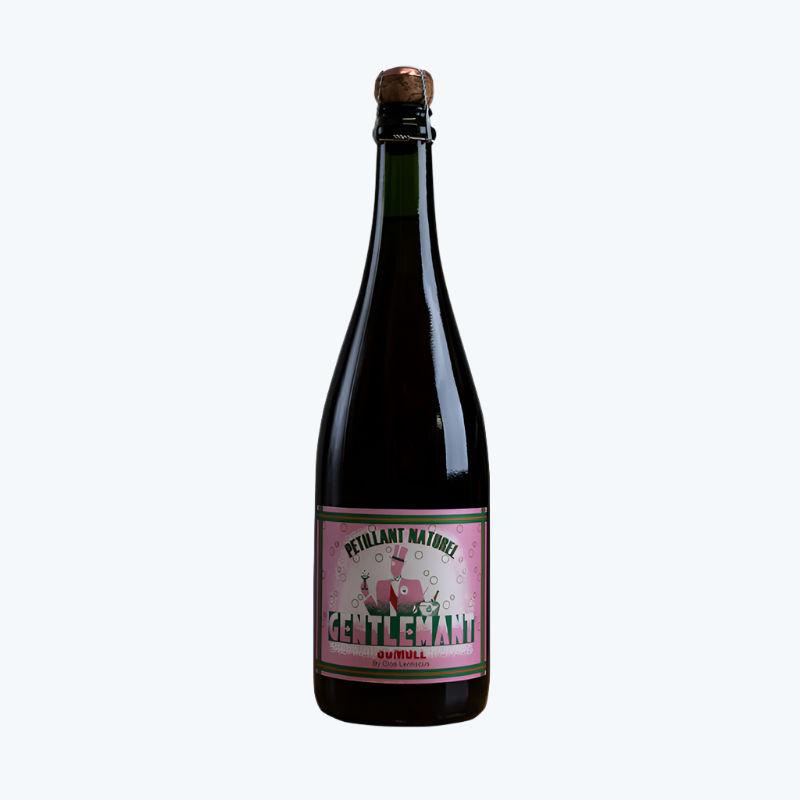
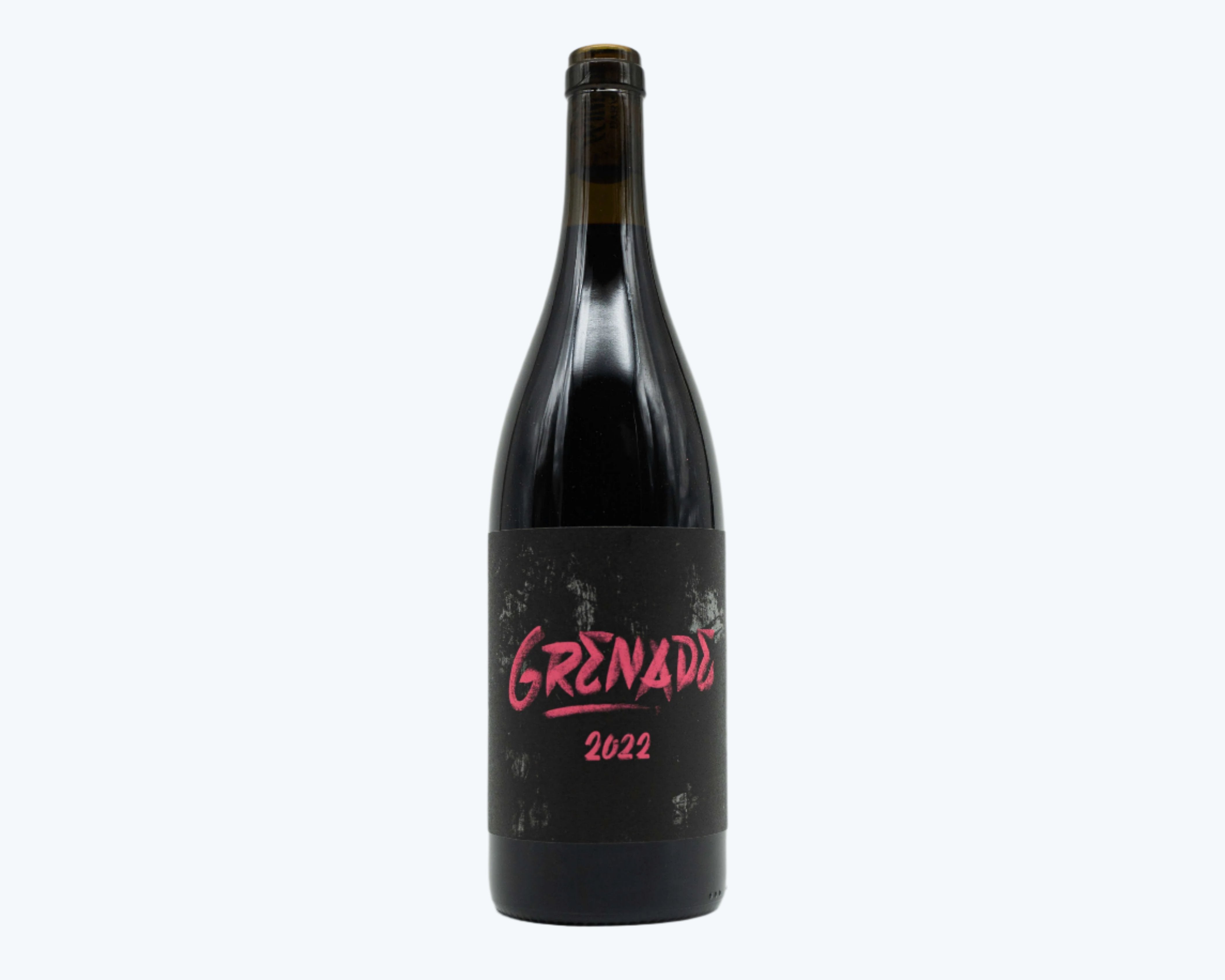
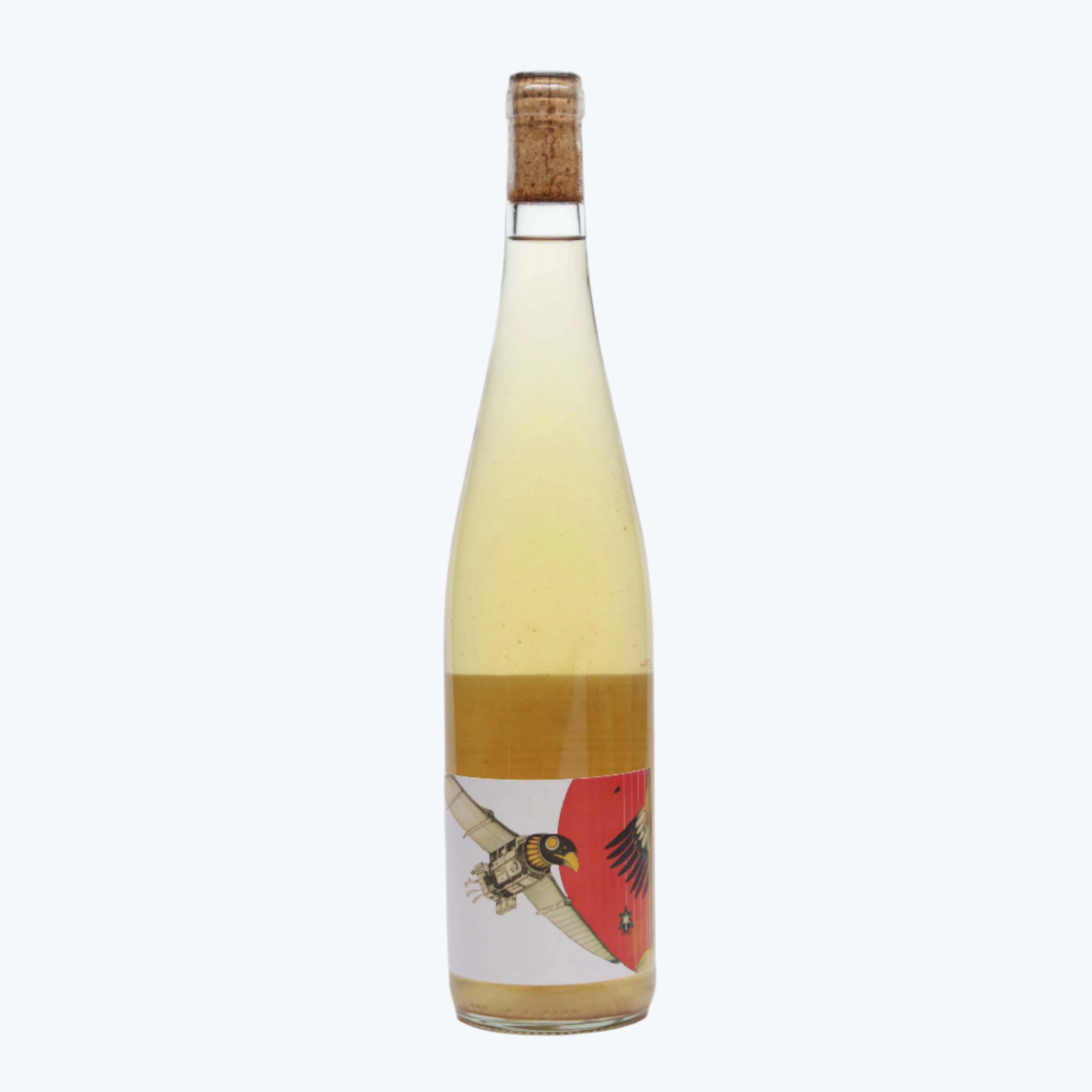
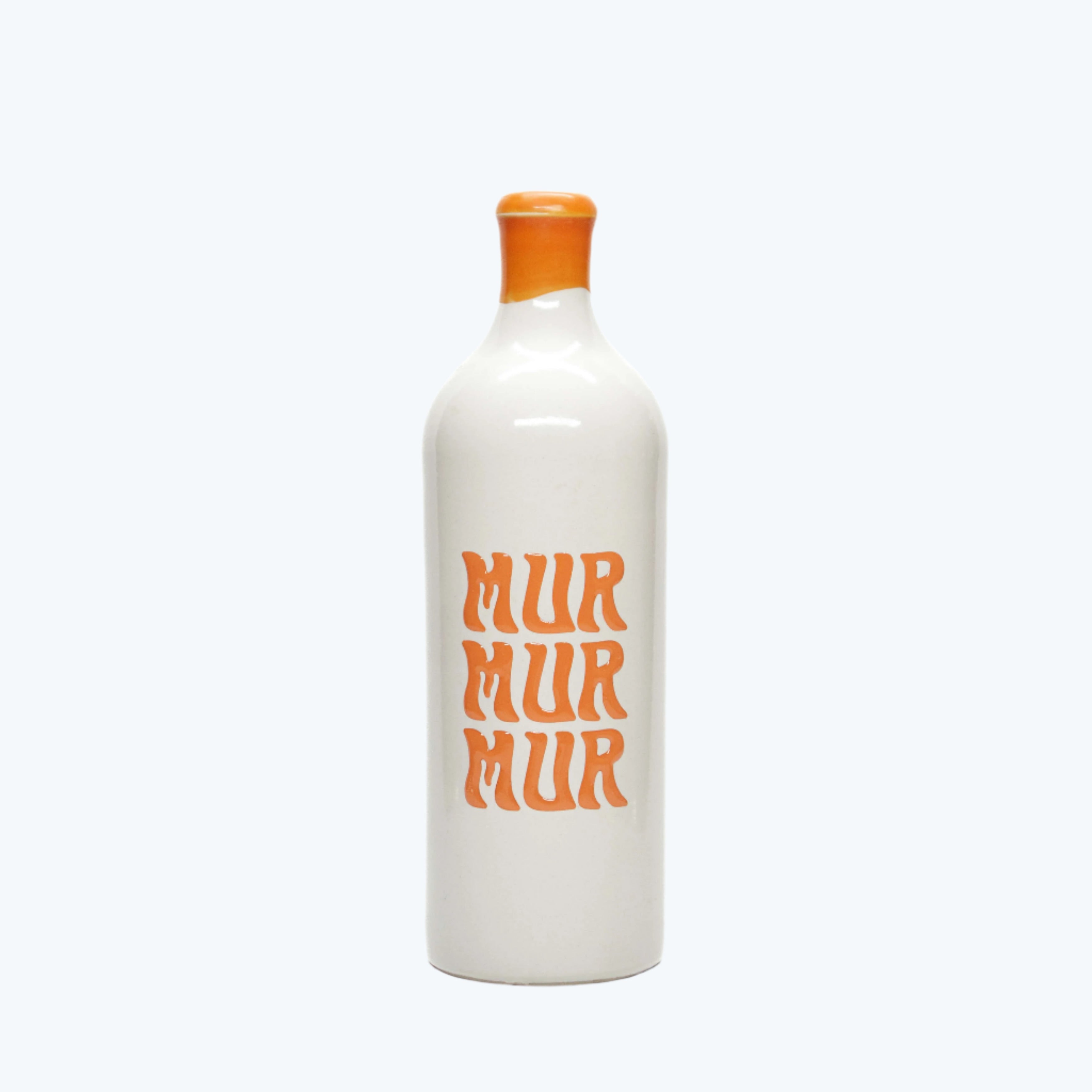

If you've been hearing the phrase "natural wine" a lot lately and wondering what it actually means — you're not alone. The term gets thrown around constantly, often with very little explanation. Is it just wine made without chemicals? Does it always taste funky? Is it better for you? Let's start from the beginning.
Everything Starts in the Vineyard

Here's the most important thing to understand about wine: it begins long before anyone crushes a grape. The quality, character, and soul of a wine are determined by what happens in the vineyard — the soil, the climate, the farming philosophy, and yes, the fungi living in the dirt.
This is where Masha, our head sommelier and wine school founder, always begins her classes. "You can't make a silk purse from a pig's ear," she says. Great wine demands great grapes, and great grapes demand a healthy, living vineyard ecosystem.
The Four Farming Approaches
In modern viticulture, there are four main approaches to growing grapes:
Conventional viticulture relies heavily on synthetic fertilisers and pesticides to maximise yields. Think of it as the fast food version of grape growing. The vines produce a lot, but the soil pays for it — it becomes exhausted, biodiversity collapses, and the vines become entirely dependent on chemical inputs. The surrounding water and wildlife suffer too.
Sustainable viticulture is a first step in a better direction. It's about finding the balance point — reducing chemical use, managing pests through natural predators and crop rotation, conserving water, and protecting soil health. It doesn't eliminate synthetic inputs entirely, but it takes the long view seriously.
Organic viticulture goes further: no synthetic chemicals, no GMOs. Fertilisers are natural (manure, compost, herbal preparations), and pest management relies on biological controls. One crucial benefit is what happens underground. Vines can't absorb phosphorus and many trace minerals on their own — they depend on mycorrhizal fungi in the soil to do that work. These fungal networks essentially act as nutrient highways between the soil and the vine. The moment you use fungicides, you kill not just the bad fungi but this entire system, and the vine loses its ability to absorb the unique minerals of its terroir.
Biodynamic viticulture takes organic farming further still, treating the vineyard as a self-sustaining organism — a closed ecosystem where plants, soil, animals, and humans work in harmony. Biodynamic farmers use specific herbal and mineral preparations, coordinate vineyard work with lunar cycles, and rely on hand labour and natural methods. The goal, as stated by the founders of biodynamic agriculture, is to create a balance between earth and cosmos that supports vine health. A strong vine, grown in healthy soil, needs no artificial manipulation in the cellar.
What Is Terroir — And Why Does It Matter?
Terroir is one of those French wine words that sounds intimidating but describes something genuinely important: the unique combination of soil, climate, topography, and local tradition that gives a wine its sense of place.
The fixed elements of terroir include the climate and microclimate (hours of sunlight, rainfall, proximity to ocean or river), the soil type (limestone, granite, schist, clay, chalk), and the landscape itself — altitude, slope, aspect. The changeable elements include the grape varieties grown, the winemaking traditions, the types of vessels used, and crucially: the yeast.
Here's where it gets fascinating. The most important factor in expressing terroir in wine is yeast. Specifically, the wild, indigenous yeasts that live naturally in the vineyard and the cellar. As Masha often puts it in class: "Terroir is yeast. Yeast is terroir."
These native microorganisms — which live on the waxy coating of grape skins and throughout the cellar environment — are capable of transferring the unique fingerprint of a place into the wine. Commercial yeasts, selected and bred for consistency and predictability, guide fermentation in a controlled direction, but they cannot convey that unique character. They make wine that tastes similar regardless of where the grapes were grown.
Fermentation: The Transformation
Wine is, at its core, a simple thing: grape juice transformed by yeast. Fermentation is the process by which yeast converts the sugars in grape juice — glucose and fructose — into alcohol and carbon dioxide, with heat released in the process. We have Louis Pasteur to thank for understanding this: it was his research in the 19th century that revealed fermentation as the work of living cells.
For white wine, the grapes are pressed quickly and the juice fermented without the skins. For red wine, fermentation happens with the skins present, which is how the wine gets its colour, tannins, and additional flavour compounds. In natural winemaking, techniques like carbonic maceration — where whole uncrushed grapes are placed in a sealed vessel and begin fermenting from the inside — are particularly popular, especially for lighter red wines, as they preserve fresh fruit character with minimal tannin extraction.
After fermentation, wine may undergo malolactic fermentation, where tart malic acid converts to softer lactic acid — naturally softening the wine's texture. In natural winemaking, this process is not blocked; it happens if it happens.
So What Actually Makes Wine "Natural"?
Natural wine is only possible from organic or biodynamic vineyards — but that alone isn't enough. In the cellar, a natural winemaker works with minimal intervention:
- Only wild, native yeasts (no commercial cultures)
- No acidifiers or sugar additions to the must (no chaptalization)
- No fining or filtration
- No added enzymes, oak chips, colour concentrators, or other industrial additives
- No blocking of malolactic fermentation
- Little to no added sulphur — or very small amounts (up to 60mg/l) at bottling only
What's left is the wine doing what it wants to do, in a good cellar, on its own terms. Extended ageing on lees (the spent yeast cells) acts as a natural antioxidant. Time, temperature stability, and the winemaker's careful attention replace all the industrial shortcuts.
The term "natural wine" was coined as an antonym to "industrial" or "commercial" winemaking. Its philosophical godfather was Jules Chauvet (1907–1989), a scientist, chemist, and oenologist from Beaujolais. Chauvet was not an idealist — he was a researcher who concluded, through rigorous experimentation, that the use of sulphur in winemaking was often excessive, that commercial monoculture yeast impoverished wine's flavour, and that industrial vineyard machinery was damaging soil structure and microbial life. His findings gave the natural wine movement its main pillars: wild yeast fermentation and minimal sulphur.
The Great Misconception
Many people assume natural wine means strange, murky, vinegar-adjacent beverages. Some natural wines are indeed unconventional — cloudy, lively, a little wild. But natural wine can equally be a precise, crystalline white of breathtaking mineral clarity, or a structured red with decades of ageing potential. What defines it is not a style but a philosophy.
As Masha explains it: "Natural wine is a type of wine made with minimal intervention, using only organic or biodynamic grapes, without synthetic chemicals or additives. Nothing added, except for occasional small amounts of natural sulphur. Nothing removed, except for gentle, minimal filtration at times. This approach allows the natural flavours and characteristics of the grapes and the terroir to shine through."
The most frequent words guests use to describe natural wines are: lively, vibrant, unpredictable, unexpected. They change in the glass. They tell you where they came from.
Why It Matters
Conventional wine production is remarkably interventionist. Commercial winemakers can legally add tartaric and malic acid, sweeteners, sorbents, enzymes, colour concentrators, cultured yeast strains, thickeners, crystallisation inhibitors, and much more — all without labelling requirements. None of this is necessarily dangerous, but it does mean that a lot of modern wine is manufactured to a flavour profile rather than grown to one.
Natural wine is the opposite proposition: start with a healthy, living vineyard, work with nature rather than against it, and then get out of the wine's way. The result may sometimes surprise you. But that's rather the point.
Curious to explore natural wines? Browse our full natural wine selection or join the MUR Wine School to learn how to taste with purpose.


